• Skip to primary navigation
  • Skip to main content
  • Skip to primary sidebar
  • Skip to footer

Studio Guide

Tips for Teachers & Students

  • Home
  • Dance
  • Blog
    • Health & Wellbeing
    • Teaching & Studio Life
    • Movement & Fitness
    • Stage Entertainment
    • Creativity & Visual Arts
    • Dance
  • Ask a Question
  • About
  • Contact

Timing is Everything: How to Deliver Comedy Like a Pro

Last updated on May 26, 2026 by The Studio Guide Staff Leave a Comment

teen girl comedian with microphone during performance

You can have the funniest joke in the world, but if the timing is off, it won’t land. Timing is what transforms a good joke into a great one. It controls anticipation, builds tension, and delivers the punchline at exactly the right moment. For comedy students, mastering timing is one of the most important steps toward becoming a confident and effective performer.

Understand the Rhythm of Comedy

Comedy has a natural rhythm, almost like music. Every joke has a setup, a buildup, and a punchline – and each part needs the right pacing. If you rush through a setup, the audience may not fully understand it. If you drag it out too long, you risk losing their attention.

Finding the rhythm means practicing your delivery until it feels natural. Listen to how the words flow, where pauses feel right, and how the joke builds. When your rhythm is smooth, your audience can follow along easily, making the punchline more impactful.
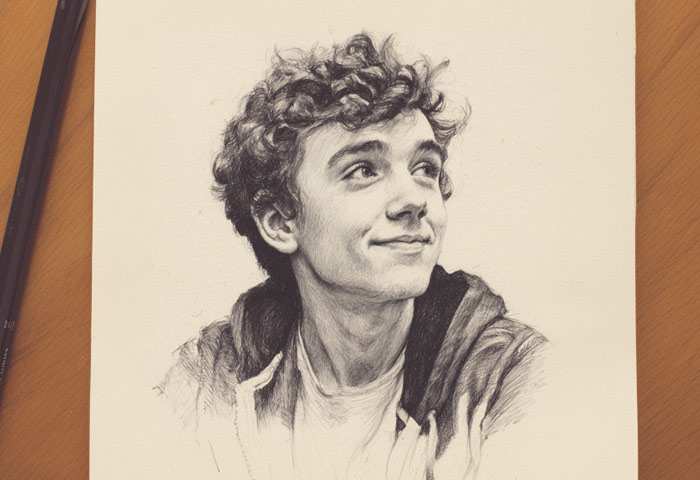
slightly smiling teen guy comedian pencil sketch

Use Pauses to Build Anticipation

One of the most powerful tools in comedy is the pause. A well-placed pause right before the punchline gives the audience a moment to process the setup and anticipate what’s coming next.

This brief silence creates tension, and when the punchline finally arrives, it releases that tension in the form of laughter. The key is not to rush. Let the moment breathe. Even a one-second pause can dramatically improve how a joke lands.

Don’t Step on the Laugh

A common mistake among beginners is talking over the audience’s laughter. When people laugh, they need a moment to enjoy it. If you jump into the next line too quickly, you can cut the laugh short and weaken the overall impact of your performance.

Instead, allow the laughter to happen. Pause, acknowledge it if appropriate, and then continue. This not only improves your timing but also shows confidence and control on stage.

middle school boy comedian holding microphone

Match Timing to Your Style

Different styles of comedy require different timing. Fast-paced comedians often use quick delivery and rapid punchlines, while others rely on slower pacing and longer pauses for effect. There’s no single “correct” timing – it depends on your personality and the type of humor you want to deliver.

Experiment with different speeds and styles. Try delivering the same joke in multiple ways and notice how the audience’s reaction changes. Over time, you’ll develop a timing style that feels authentic to you.

Practice Out Loud & Perform Often

Timing can’t be mastered just by writing – it has to be practiced. Reading jokes silently won’t reveal where the pauses should go or how the rhythm feels. Practice out loud, record yourself, and pay attention to where the joke flows naturally and where it feels rushed or awkward.

Performing in front of others is even more valuable. Live audiences give real-time feedback, helping you adjust your timing based on their reactions. The more you perform, the sharper your instincts will become.

black and white teen girl comedian

Learn to Read the Room

Great comedians don’t just stick to a script – they adapt. Every audience is different, and their reactions will guide your timing. Some audiences laugh quickly, while others take a bit longer to warm up.

Pay attention to their energy. If they’re highly engaged, you might keep a faster pace. If they’re quieter, you may need to slow down and give your jokes more space. Being flexible with your timing allows you to connect more effectively with any crowd.

Timing is what brings comedy to life. By understanding rhythm, using pauses effectively, respecting audience laughter, and practicing consistently, you can turn simple jokes into powerful moments of connection and humor. Like any skill, timing improves with experience – so keep practicing, keep performing, and trust that with time, your delivery will become sharper, smoother, and far more impactful.

Filed Under: Stage Entertainment

Additional Articles

goofy teen guy comedian with pencil to his lips
Writing Jokes That Actually Get Laughs
glamour girl with dark hair and dark eyes
Teen Acting Workshops in Southern York County, PA – PhotoArtGraphy
smiling teen girl comedian
How to Read Your Audience & Adjust Your Humor
black and white portrait of puppet with teen girl ventriloquist
Private Ventriloquism Coaching for Teens: Building Confidence Through Creativity & Performance
boy comedian wearing baseball cap and pondering
Overcoming Stage Anxiety in Stand-Up or Sketch Comedy

Stock Imagery Copyright Information: The stock photos & stock imagery featured throughout the TheStudioGuide.com website are licensed through Shutterstock, Fotolia/Adobe & PhotoArtGraphy. Select image graphics/illustrations are created & provided by PhotoArtGraphy. The original photographers/graphic designers retain all image copyrights.

Reader Interactions

Leave a Reply Cancel reply

Your email address will not be published. Required fields are marked *

eighteen − 4 =

Primary Sidebar

About The Studio Guide
Follow The Studio Guide on Instagram Follow The Studio Guide on Facebook
PhotoArtGraphy with Drew Jensen

Comedy

  • How to Read Your Audience & Adjust Your Humor
  • Overcoming Stage Anxiety in Stand-Up or Sketch Comedy
  • Writing Jokes That Actually Get Laughs
  • Timing is Everything: How to Deliver Comedy Like a Pro

Article Categories

PhotoArtGraphy with Drew Jensen

Acting, Drama & Theater

  • Teen Acting Workshops in Southern York County, PA – PhotoArtGraphy

Ventriloquism

  • Private Ventriloquism Coaching for Teens: Building Confidence Through Creativity & Performance
PhysioDC of Washington, DC

PhotoArtGraphy

  • Why Aspiring Models Choose PhotoArtGraphy
  • Tips for Taking Dance Photos in Fluorescent-Heavy Studios
PhotoArtGraphy with Drew Jensen

Popular Articles

  • 100 Dance Quotes & Sayings for Social Media
  • 6 Steps to Choreographing Your First Dance Solo
  • How Old Should a Child Be to Begin Competitive Swimming?
  • Dancer Life: What To Do When Bullying Happens To You · Part 2 · Part 3
X10 Home Automation

Recent Articles

  • Dancer Life: What To Do When Bullying Happens To You, Part 2
  • Dancer Hair: What a Girl Needs To Know, Part 1
  • The Importance of Protein for Dancers
  • Reconnecting with Non-Returning Dance Students: How To Do It
  • A Dance Studio Owner’s Guide to Insurance, Part 1
  • Why Aspiring Models Choose PhotoArtGraphy
PhotoArtGraphy with Drew Jensen

Footer

About The Studio Guide

The Studio Guide is an educational resource for dancers, performers, studios, parents, and youth activity communities. Our articles focus on training, wellness, creativity, performance, and studio life across a variety of artistic and athletic disciplines.

Featured Creative Resource

Our sister brand, PhotoArtGraphy, provides photography services and creative workshops related to dance, performance, youth arts, and studio communities throughout portions of Pennsylvania and Maryland.

Visit PhotoArtGraphy.com.

Connect with The Studio Guide

Have feedback, article ideas, or questions? We'd love to hear from you. Follow The Studio Guide on social media anytime.

Instagram Facebook

Contact The Studio Guide

Copyright © 2026 The Studio Guide · Privacy Policy · Disclaimer · Sitemap · Created by Sozo Creative

The Studio Guide does not provide medical advice, treatment, or diagnosis. Content on this website is intended for general educational and informational purposes only and should not replace professional medical advice.

FTC Disclosure: TheStudioGuide.com participates in affiliate advertising programs, including the Amazon Associates Program. Affiliate commissions help support the continued operation and maintenance of this website.

The Studio Guide is operated by Sozo Firm Inc.

If any part of this website is difficult to access or use, please contact us at 717-885-2312 and we will gladly assist you.

Stock imagery & custom graphics licensed through PhotoArtGraphy, Shutterstock, and Adobe Stock.