
As dancers grow and their training becomes more demanding, their physical needs naturally evolve. One area that deserves thoughtful attention – but isn’t always openly discussed – is breast support and comfort during dance.
When dancers feel secure and supported, they can focus fully on movement, technique, and performance rather than distraction or discomfort. Addressing this topic in a practical, matter-of-fact way helps normalize it as simply another part of caring for the body.
Why Support Is Essential in Dance
Dance is physically demanding. From jumps and turns to fast transitions and extended rehearsals, the body is constantly in motion. Without proper breast support, this can lead to discomfort, strain, and a loss of focus.
Support allows dancers to move with confidence. It also helps maintain proper alignment and posture, especially during more complex or high-impact combinations. When this foundation is in place, dancers are free to concentrate on artistry instead of adjusting or holding back.
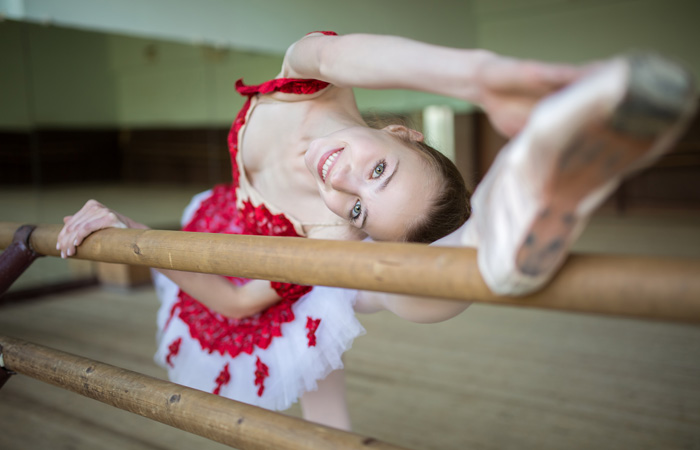
Finding the Right Fit for Class
What a dancer wears underneath their dance attire plays a big role in overall comfort. The right choice depends on the individual dancer, the level of activity, and the studio’s dress code.
Some dancers prefer sports bras designed for movement, while others rely on dancewear with built-in support. The key is finding something that offers enough stability without restricting breathing or flexibility. A proper fit should feel secure but not tight, and it should stay in place throughout class.
It’s often worth trying a few options to see what works best, especially as a dancer’s body changes over time.
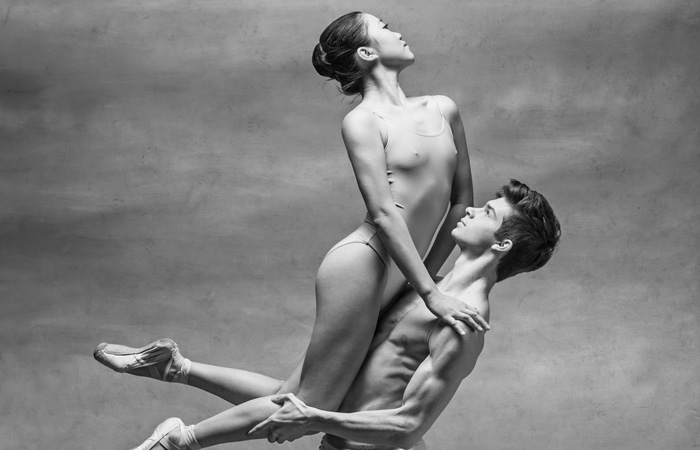
Adapting for Rehearsals & Performances
What works in class doesn’t always translate perfectly to the stage. Costumes may not provide the same level of support, which makes preparation especially important.
Dancers should rehearse in their full costume whenever possible to make sure everything feels secure during movement. If additional support is needed, simple adjustments or underlayers can make a big difference. Planning ahead helps prevent last-minute stress and allows dancers to step on stage with confidence.
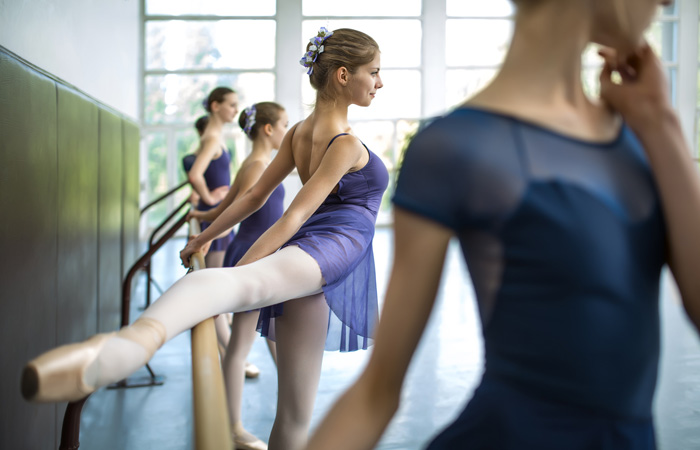
Preventing Discomfort & Irritation
Long hours in fitted clothing, combined with sweat and constant movement, can sometimes lead to skin sensitivity or irritation. This is a common experience and can usually be managed with a few consistent habits.
Wearing clean dancewear, choosing breathable fabrics, and changing out of damp clothing promptly all help maintain skin comfort. Small adjustments in fit or material can also reduce friction during movement.
Paying attention to these details helps dancers stay focused and comfortable throughout long rehearsal days or back-to-back performances.

Supporting Younger Dancers Through Change
For younger dancers, this stage of development can feel new and sometimes awkward. The way adults handle these conversations makes a lasting impact.
Keeping things simple and practical helps remove any discomfort. Framing the topic around comfort, movement, and taking care of the body allows dancers to approach it with confidence rather than self-consciousness.
Creating an environment where questions are welcome – and where concerns are taken seriously – goes a long way in building trust.
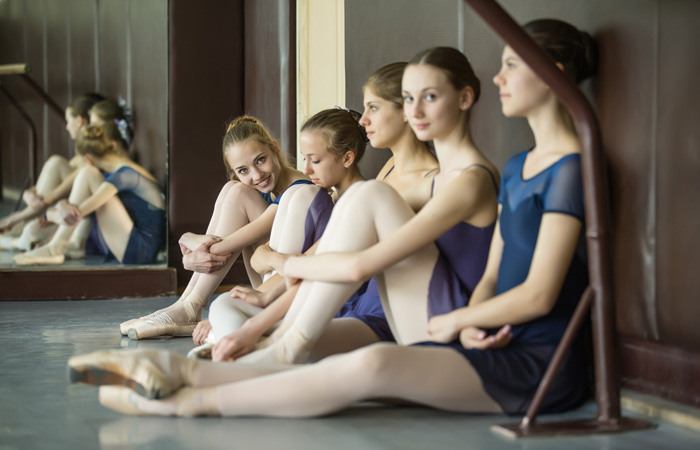
Confidence Comes from Preparation
Much of a dancer’s confidence comes from knowing they are prepared. When their attire fits properly and supports them through movement, they can fully engage in class or performance without distraction.
This sense of security allows dancers to move freely, perform more confidently, and focus on what truly matters – their growth and expression as artists.

Wrapping Up
Breast support and care in dance is simply one part of overall dancer wellness. When studios, parents, and dancers approach it with clarity and professionalism, it becomes a normal and manageable aspect of training.
With the right preparation and support, dancers can feel comfortable in their bodies and confident in their movement – both in the studio and on stage.
Leave a Reply