
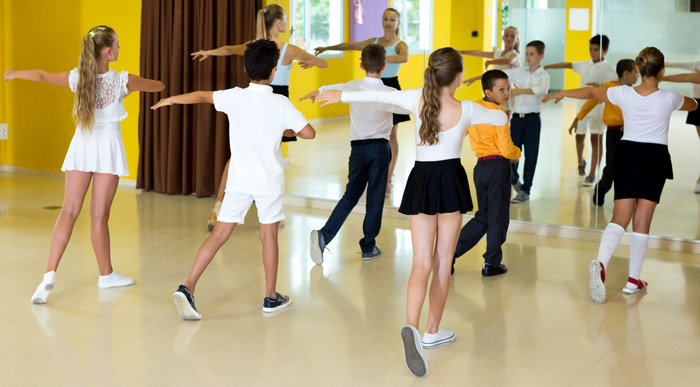
Bringing boys into a dance studio that is primarily made up of girls can be one of the most rewarding – and sometimes challenging – parts of building a strong program. When handled well, it creates a more dynamic, versatile, and professional environment for all dancers.
At the same time, it requires thoughtful leadership, clear expectations, and open communication with both dancers and parents.
Understanding the Reality of Dance Environments
Dance training and performances often involve quick costume changes, shared backstage spaces, and physical partnering. These are normal parts of the dance world, but they can feel unfamiliar or uncomfortable – especially for newer dancers or families.
In coed environments, this means:
- Dancers may be changing quickly in shared spaces
- Costumes may not always provide full coverage during transitions
- Partnering may involve close physical contact
For some students, this is no big deal. For others, it can take time to adjust.
A healthy studio culture acknowledges this reality without dismissing anyone’s comfort level.
Setting the Tone: Professional, Not Personal
One of the most important things a studio can do is clearly define dance as a professional environment, even for younger students.
That means teaching dancers:
- To treat changing, costuming, and physical contact as part of the work
- To respect personal boundaries at all times
- To avoid comments, jokes, or behaviors that make others uncomfortable
When instructors consistently model this mindset, dancers begin to see these situations through a professional lens rather than a personal or awkward one.
Giving Dancers Options Without Creating Division
Not every dancer will feel comfortable in the same situations – and that’s okay.
Instead of forcing a one-size-fits-all approach, consider offering:
- Optional private or semi-private changing areas
- Clear guidelines around backstage behavior
- Flexibility for dancers who need more time or space
Position these as options for anyone, not something designed specifically for boys or girls. This keeps the environment inclusive rather than isolating.
Preparing Boys (and Girls) for Partnering Work
Partnering is one of the biggest benefits of having boys in a studio – but it also requires guidance.
Teachers should:
- Clearly explain appropriate hand placement and technique
- Demonstrate movements in a straightforward, professional way
- Normalize communication between partners (“Is this okay?” / “Can we adjust?”)
It’s also important to acknowledge that some dancers may feel awkward at first. That’s normal. With proper instruction and repetition, most dancers become more confident and comfortable over time.
Communicating with Parents Early & Honestly
Many concerns can be avoided with proactive communication.
Let parents know:
- What a typical class or performance environment looks like
- How costume changes and backstage logistics are handled
- What expectations are in place for behavior and supervision
Invite questions. When parents feel informed, they’re far more likely to feel comfortable.
Supporting Boys Without Singling Them Out
When there are only a few boys in a studio, it’s easy for them to feel like they stand out.
You can support them by:
- Treating them as dancers first – not as “the boys”
- Avoiding stereotypes about strength or roles
- Encouraging friendships and teamwork across the whole group
At the same time, recognize the value they bring – especially in areas like partnering and lifts – and help them develop those skills in a positive, pressure-free way.
Building Comfort Takes Time
Comfort in a coed dance environment doesn’t happen overnight.
Some dancers will adjust quickly. Others may need more time and reassurance. What matters most is creating a culture where:
- Questions are welcomed
- Boundaries are respected
- Professionalism is consistently reinforced
Over time, what once felt unfamiliar becomes simply “part of dance.”
The Bigger Picture
Studios that successfully include both boys and girls often find that it elevates the entire program. Dancers gain new skills, new perspectives, and a stronger sense of collaboration.
Yes, it can be complex at times. But with clear expectations, thoughtful structure, and open communication, it is not only possible – it can be one of the most valuable aspects of your studio culture.
Leave a Reply