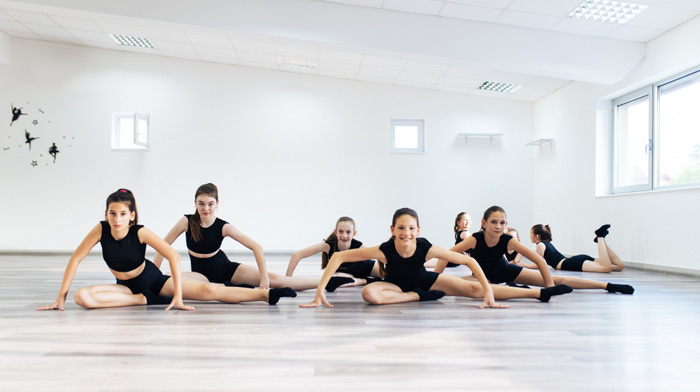
If you have a dancer between the ages of 11 and 14, you’ve probably noticed it: something shifts.
The child who once skipped happily into the studio may now sigh dramatically in the car. Technique that once seemed steady suddenly looks uncoordinated. Confidence rises and crashes within the same week.
Welcome to the middle school years.
This season can feel confusing – for dancers and for parents. Bodies are changing. Friendships are evolving. Expectations are increasing. And in dance, where the body is the instrument, those changes can feel especially personal.
The good news? What feels awkward now is often a powerful bridge to growth.
Growth Spurts & Coordination Changes
Middle school often brings rapid physical development. Limbs lengthen. Hips widen. Centers of gravity shift.
When bones grow quickly, muscles can temporarily lag behind. A dancer who once balanced easily may wobble. Turns feel harder. Extensions drop. Jumps lose height.
This is normal.
The body is recalibrating. Neuromuscular coordination takes time to catch up with new proportions.
During this stage, patience is critical. Increasing training intensity or pushing for higher extensions rarely solves the issue. Instead, consistent foundational work – pliés, tendus, slow relevés – rebuilds stability.
Parents may need to remind dancers that temporary regression does not mean permanent loss of ability.
Puberty & Body Image
Dance places a spotlight on the body. Mirrors line the walls. Fitted attire is required. Comparisons are visible.
During puberty, natural body changes can feel magnified.
Some dancers gain height quickly. Others develop curves earlier than peers. Flexibility may shift. Turnout can feel different.
This is where parental messaging matters deeply.
Avoid commenting on weight, shape, or appearance – even casually. Instead, emphasize strength, health, and capability. Reinforce that strong muscles, not thinness, create powerful dancers.
If you notice negative self-talk increasing, open gentle conversations. Middle schoolers may not always share freely, but knowing you’re a safe place makes a difference.
Emotional Highs & Lows
Middle school is emotionally intense. Add performance pressure, auditions, and competitive environments, and feelings can run high.
You may see:
- Increased sensitivity to corrections
- Comparison to teammates
- Dramatic reactions to casting
- Friendships shifting within the studio
Corrections that once rolled off easily may now feel personal. Casting decisions may feel devastating.
Encourage perspective without dismissing emotions. Saying “It’s not a big deal” rarely helps. Instead, try, “I can see that this really matters to you.”
Over time, dancers who learn to navigate these emotional waves build remarkable resilience.
Social Dynamics in the Studio
As dancers mature, peer relationships grow more complex.
Studios can become tight-knit social ecosystems. Alliances shift. Social media adds another layer of comparison.
Middle schoolers are highly attuned to belonging. If a friend moves up a level or is cast differently, it can sting.
Parents can help by:
- Avoiding gossip about studio politics
- Encouraging friendships outside of dance
- Reinforcing that casting and level placement are not measures of worth
Keeping dance in healthy perspective prevents it from becoming the sole source of identity.
Motivation Fluctuates
It’s common for middle school dancers to question their commitment.
They may express wanting to quit – sometimes dramatically – after a tough rehearsal. Other times, they recommit passionately after a performance high.
This back-and-forth is normal.
The key question is whether the desire to quit is rooted in temporary frustration or a deeper shift in interest.
Before making big decisions, allow space for cooling off. Middle school emotions can be intense but short-lived.
If motivation consistently declines over months, it may be worth exploring why – without pressure.
Technique Often Improves After the “Awkward” Phase
Here’s the encouraging part: once growth stabilizes, many dancers experience significant breakthroughs.
Strength catches up. Lines lengthen beautifully. Artistry deepens.
Because they’ve worked through coordination challenges, these dancers often develop stronger technical awareness and perseverance.
Organizations like the International Association for Dance Medicine & Science emphasize that adolescent training should prioritize gradual progression and injury prevention, especially during growth spurts.
Protecting the body during this stage allows for stronger advancement later.
What Parents Can Do
Your role during the middle school years shifts subtly.
Instead of managing every detail, you become a steady anchor.
You can:
- Normalize growth-related struggles
- Encourage consistent sleep and nutrition
- Limit over-scheduling
- Celebrate effort rather than outcome
- Keep communication open without interrogating
Car rides home are powerful moments. Rather than leading with critique or analysis, try asking, “What felt good in class today?”
Small shifts in language create safer emotional space.
When to Watch More Closely
While awkwardness is normal, persistent physical pain, extreme body dissatisfaction, or severe anxiety deserve attention.
If your dancer frequently complains of pain that doesn’t resolve with rest, consult a dance-informed medical professional.
If mood changes seem intense or prolonged, consider speaking with a pediatrician or counselor.
Support early. Prevention is easier than repair.
The American Academy of Pediatrics consistently highlights the importance of balanced activity, adequate rest, and mental health awareness during adolescence.
The Bigger Picture
The middle school years in dance are rarely smooth.
They are messy. Emotional. Awkward.
But they are also formative.
Dancers learn perseverance when combinations feel harder. They learn humility when technique wobbles. They learn empathy as friendships shift.
This season builds depth – both as artists and as humans.
Final Thoughts
If your dancer seems different right now, you’re not imagining it.
She’s growing.
Physically. Emotionally. Socially.
Your calm presence, steady encouragement, and long-term perspective matter more than perfectly executed pirouettes.
The awkward middle school years don’t last forever.
But the resilience built during them often does.
Leave a Reply