
From the outside, being a dance teacher can look like a dream job. You spend your days in a studio surrounded by music, movement, and students who share a love of dance. You get to choreograph routines, watch dancers improve, and celebrate performances on stage.
But anyone who has spent time teaching dance knows that the job is far more complex than it appears.
Behind the scenes, dance teachers juggle a wide range of responsibilities. They are educators, mentors, choreographers, problem-solvers, and sometimes even counselors for their students. The work is rewarding, but it also comes with challenges that many people outside the dance world never see.
Here are some of the hardest parts of being a dance teacher – and why the role requires both passion and resilience.
Balancing Different Skill Levels in One Class
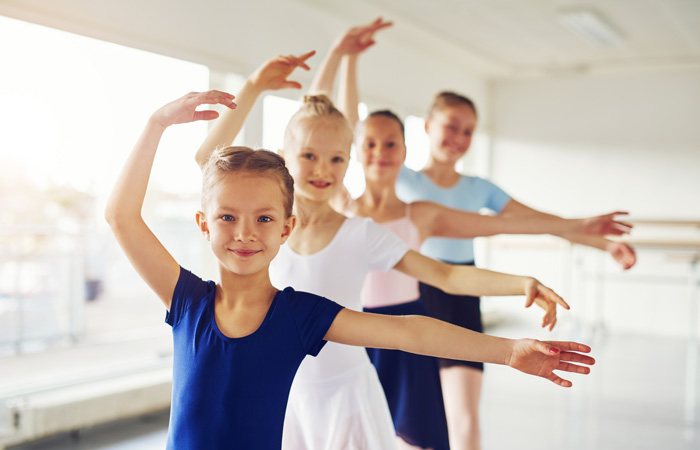
One of the biggest challenges dance teachers face is managing a class filled with students who all learn at different speeds.
Some dancers quickly pick up choreography and technical corrections, while others need more time and guidance to fully understand the movement. A teacher must find a way to challenge advanced students while also supporting beginners who may feel overwhelmed.
This balancing act requires patience, creativity, and strong teaching instincts. A good dance teacher constantly adjusts their approach to ensure that every student feels both challenged and supported.
Helping Students Through Self-Doubt
Dance can be incredibly rewarding, but it can also be emotionally demanding. Students often compare themselves to others in class and may feel discouraged if they believe they are not improving fast enough.
Dance teachers frequently find themselves helping students work through these moments of self-doubt.
Encouraging a dancer who feels frustrated or insecure takes more than technical instruction. It requires empathy, understanding, and the ability to remind students why they fell in love with dance in the first place.
These conversations may happen quietly after class or during rehearsals, but they play a significant role in helping dancers build confidence.
The Physical Demands of Teaching
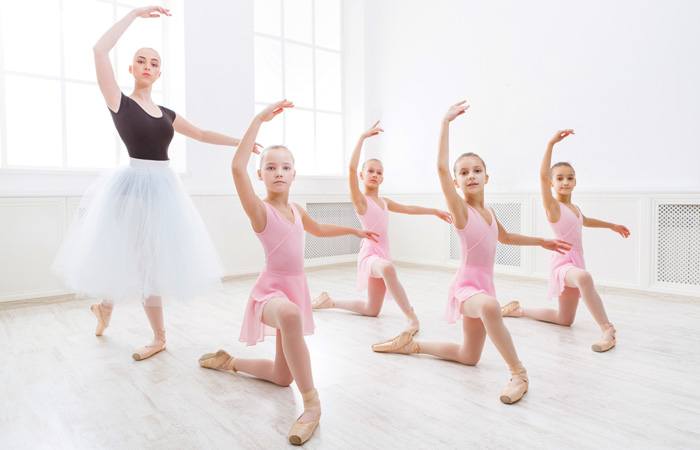
Teaching dance is physically demanding in ways that many people underestimate.
Dance teachers spend hours demonstrating movements, correcting technique, and repeating choreography. Over the course of a long day, that can mean performing the same movements dozens of times while maintaining energy and enthusiasm for every class.
Unlike many other professions, dance teachers are constantly on their feet and actively moving. This level of physical activity requires stamina and can take a toll on the body over time.
Managing Time & Energy
A dance teacher’s schedule can be very different from a traditional workday. Many classes take place in the afternoons and evenings, which means teachers often work when others are relaxing or spending time with family.
On top of teaching classes, there are rehearsals, choreography preparation, music editing, costume planning, and communication with studio staff and parents.
Managing all of these responsibilities requires strong organization skills and the ability to stay energized throughout long days at the studio.

Choreographing for Different Groups
Choreography is one of the most creative aspects of being a dance teacher, but it can also be surprisingly challenging.
Each group of dancers has different strengths, experience levels, and personalities. A routine that works well for one class may not suit another group at all.
Dance teachers must carefully consider music selection, formations, skill levels, and storytelling when creating choreography. The goal is to design routines that showcase the dancers’ abilities while also helping them grow as performers.
This creative process takes time, experimentation, and often a lot of revision.
Preparing for Recital Season
Recital season is one of the busiest times of the year for dance teachers. While audiences see the finished performance on stage, teachers spend months preparing behind the scenes.
There are rehearsals to run, costumes to coordinate, stage spacing to plan, and choreography to polish. Teachers often review routines countless times to make sure dancers feel confident and ready.
During this period, the schedule becomes intense, and teachers must stay organized while keeping students motivated and focused.
Handling Parent Expectations
Parents care deeply about their children’s experiences in dance, which is understandable. However, this can sometimes create challenging situations for teachers.
Some parents may have strong opinions about class placement, choreography, or performance opportunities. Dance teachers must navigate these conversations with professionalism while maintaining fairness for all students.
Clear communication and transparency can help, but these interactions still require patience and diplomacy.
Supporting Students Through Competition Pressure
For studios that participate in dance competitions, teachers often help students manage the pressure that comes with performing in front of judges.
Competitions can bring excitement and motivation, but they can also create stress for dancers who feel nervous about results or comparisons with other teams.
Dance teachers play an important role in shaping how students view these experiences. By focusing on growth, teamwork, and enjoyment, teachers can help dancers see competitions as learning opportunities rather than sources of anxiety.
Staying Creative Year After Year
Teaching dance requires ongoing creativity. Each season brings new classes, new routines, and new challenges.
Dance teachers must continuously develop fresh choreography, engaging exercises, and new ways to inspire their students. Repeating the same material year after year simply isn’t an option.
Finding inspiration can sometimes be difficult, especially during busy periods. Yet the best teachers constantly push themselves to grow artistically so they can continue inspiring their dancers.
Watching Students Move On
One of the most emotional parts of being a dance teacher is watching students eventually move on.
Many dancers begin training at a young age and spend years growing in the same studio. Teachers witness their progress, celebrate their milestones, and form strong bonds with them over time.
When those dancers graduate, move away, or transition to new stages in life, it can be bittersweet. Teachers feel proud of everything their students have accomplished, but saying goodbye can still be difficult.

The Responsibility of Being a Role Model
Dance teachers influence their students in ways that go far beyond technique.
Young dancers often look up to their teachers not only as instructors but also as role models. Teachers help shape their students’ attitudes toward discipline, teamwork, perseverance, and confidence.
This responsibility can feel heavy at times. Dance teachers must constantly think about how their words and actions impact the students who trust and admire them.
Why It’s Still Worth It
Despite the challenges, most dance teachers would say that the rewards of the job far outweigh the difficulties.
There is something incredibly fulfilling about watching a dancer master a skill they once struggled with. Seeing students gain confidence, develop friendships, and express themselves through movement makes all the hard work worthwhile.
Dance teachers witness countless moments of growth – both on and off the stage – and those moments remind them why they chose this path.
Teaching dance is not always easy, but it is a career built on passion, creativity, and the joy of helping others discover what they are capable of achieving.
For those who truly love dance and believe in the power of movement, there is nothing quite like the experience of guiding the next generation of dancers.
Leave a Reply