• Skip to primary navigation
  • Skip to main content
  • Skip to primary sidebar
  • Skip to footer

Studio Guide

Tips for Teachers & Students

  • Home
  • Dance
  • Blog
    • Health & Wellbeing
    • Teaching & Studio Life
    • Movement & Fitness
    • Stage Entertainment
    • Creativity & Visual Arts
    • Dance
  • Ask a Question
  • About
  • Contact

What Parents Should Know About Boys and Girls in the Same Dance Class

Last updated on July 4, 2026 by The Studio Guide Staff Leave a Comment

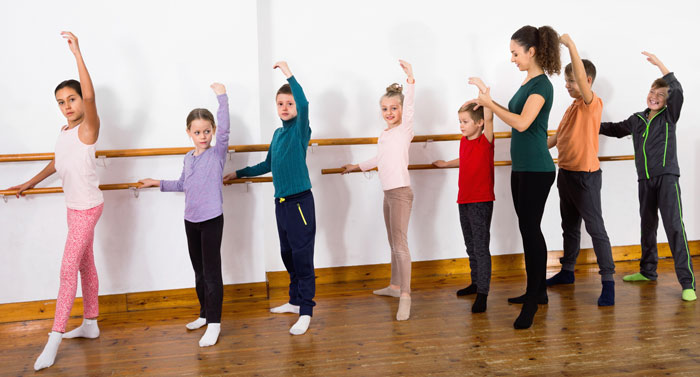
dance teacher with guys and girls as dance students
If your child is in a dance class that includes both boys and girls – or is about to join one – you may have questions. That’s completely normal.

For many families, especially those new to dance, a coed environment can feel unfamiliar. Understanding how studios approach this can help you feel more confident and comfortable.

Dance Is a Structured, Supervised Environment

While dance classes can look relaxed from the outside, they are highly structured spaces led by trained instructors.

Teachers guide:

  • How dancers interact with each other
  • How physical movements are performed
  • What behavior is appropriate in class and backstage

Dancers are not left to “figure things out” on their own. Expectations are clearly set and consistently reinforced.
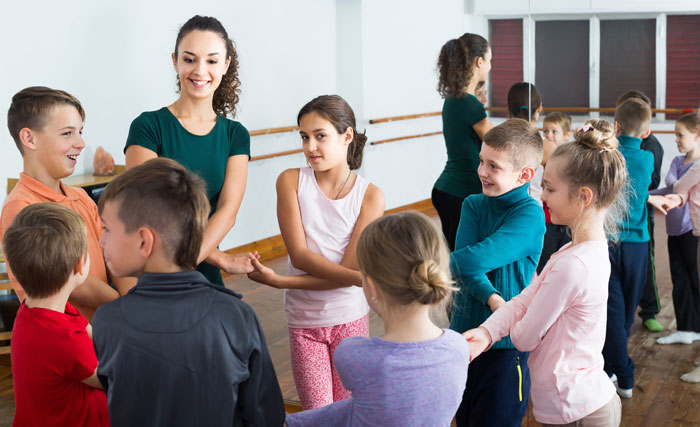
dance teacher with coed dance students

Close Proximity Is Part of Learning Dance

In many styles of dance, students work in close proximity. As dancers progress, this may include partnering, lifts, or coordinated group work.

This can feel like a big shift at first – especially for younger dancers – but it is taught in a very intentional and respectful way. Students learn:

  • Where and how to place their hands properly
  • How to communicate with their partners
  • How to focus on technique rather than awkwardness

Over time, what may initially feel unfamiliar becomes simply part of the training process.

Backstage & Costume Changes: What to Expect

During performances, things move quickly. Dancers often have limited time to change costumes between routines.

Studios typically manage this by:

  • Supervising backstage areas
  • Organizing quick-change spaces
  • Encouraging dancers to be efficient and respectful

Some studios use shared changing areas, while others offer additional privacy options. If this is something you’re concerned about, it’s always appropriate to ask how your studio handles it.
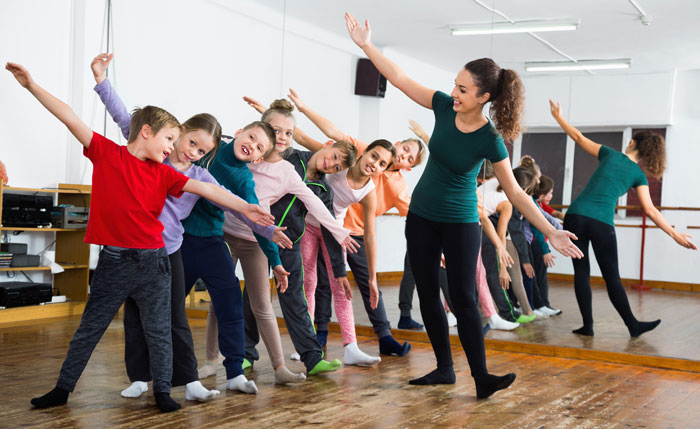
coed dance class stretching with dance instructor

It’s Okay for Dancers to Need Time to Adjust

Every child is different.

Some dancers are immediately comfortable in a coed environment. Others may feel shy or unsure at first – whether they are boys or girls.

That adjustment period is normal. Good instructors recognize this and help dancers build confidence gradually, without pressure.

Communication Matters – For You & Your Child

If you have concerns, don’t keep them to yourself.

Reach out to your studio and ask:

  • How do you handle partnering?
  • What does backstage supervision look like?
  • Are there options for dancers who prefer more privacy?

You can also check in with your child:

  • Do you feel comfortable in class?
  • Is there anything that feels confusing or awkward?

Open conversations – both with the studio and at home – make a big difference.
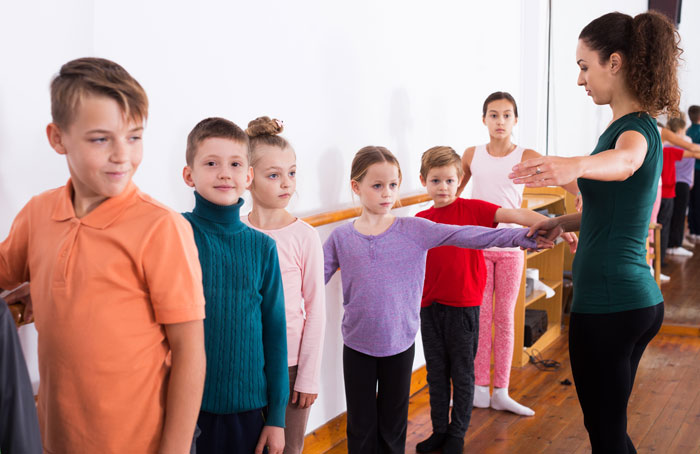
dance teacher with boys and girls as dance students

Boys in Dance: A Positive for Everyone

Having boys in a dance class brings real benefits.

It allows for:

  • Partnering and lifts as dancers advance
  • A wider range of choreography and performance opportunities
  • A more dynamic and collaborative class environment

It also helps normalize dance as an activity for everyone, which is an important message for young people.

Respect Is the Foundation

At the heart of any well-run studio is a strong culture of respect.

Dancers are expected to:

  • Be mindful of personal space
  • Treat each other professionally
  • Support one another as teammates

When that culture is in place, coed classes are not just manageable – they are positive, enriching experiences.

funny boys and girls as dance students in class

Succeeding with Coed Dance Classes

It’s completely natural to have questions about boys and girls training together in dance. The good news is that studios have been navigating this successfully for years.

With the right structure, clear expectations, and open communication, coed dance classes can be a safe, supportive, and rewarding environment for every dancer.

Filed Under: Dance

Additional Articles

young ballerina fixing her hair into a bun before performance
Dancer Hair: What a Girl Needs To Know, Part 1
young beautiful girl dancer fixing ballet shoes
Reconnecting with Non-Returning Dance Students: How To Do It
A Dance Studio Owner’s Guide to Insurance, Part 1
dance competition girls wearing black and jumping
Weighing the Advantages and Disadvantages of Dance Competitions, Part 2
black and white photo of ballerinas wearing pointe shoes
Tips for Taking Dance Photos in Fluorescent-Heavy Studios
teen girl ballerinas wearing blue are best friends
Breast Care for Dancers: Comfort, Support, and Confidence in Class & Performance

Stock Imagery Copyright Information: The stock photos & stock imagery featured throughout the TheStudioGuide.com website are licensed through Shutterstock, Fotolia/Adobe & PhotoArtGraphy. Select image graphics/illustrations are created & provided by PhotoArtGraphy. The original photographers/graphic designers retain all image copyrights.

Reader Interactions

Leave a Reply Cancel reply

Your email address will not be published. Required fields are marked *

5 × 2 =

Primary Sidebar

About The Studio Guide
Follow The Studio Guide on Instagram Follow The Studio Guide on Facebook
PhotoArtGraphy with Drew Jensen

Dance Recitals & Competitions

  • Streamlining Your Dance Recital Planning
  • Dance Competition Planning: Find a Theme that Shines
  • Weighing the Advantages and Disadvantages of Dance Competitions

Article Categories

Nicholas Insurance Solutions

Dance Gear

  • Top Dancewear Companies & Dance Clothing Designers
  • Ballet Shoes for Beginners

The Dancer’s Body

  • Dancers: What It Means When Your Body Snaps, Crackles & Pops
  • What Turnout Actually Is (And What It Is Not)
  • Four Steps for Healthier Sleep
  • Dance Kinesiology - Understanding the Dancer's Body, Part 1 · Part 2
  • Breast Care for Dancers: Comfort, Support & Confidence
  • Female Dance Hygiene Tips for Class: Helping Dancers Stay Comfortable & Confident
  • Why Young Dancers Experience Overuse Injuries
PhysioDC of Washington, DC

PhotoArtGraphy

  • Why Aspiring Models Choose PhotoArtGraphy
  • Tips for Taking Dance Photos in Fluorescent-Heavy Studios

Popular Articles

  • 100 Dance Quotes & Sayings for Social Media
  • 6 Steps to Choreographing Your First Dance Solo
  • How Old Should a Child Be to Begin Competitive Swimming?
  • Dancer Life: What To Do When Bullying Happens To You · Part 2 · Part 3
X10 Home Automation

Recent Articles

  • Dancer Life: What To Do When Bullying Happens To You, Part 2
  • Dancer Hair: What a Girl Needs To Know, Part 1
  • The Importance of Protein for Dancers
  • Reconnecting with Non-Returning Dance Students: How To Do It
  • A Dance Studio Owner’s Guide to Insurance, Part 1
  • Why Aspiring Models Choose PhotoArtGraphy

Footer

About The Studio Guide

The Studio Guide is an educational resource for dancers, performers, studios, parents, and youth activity communities. Our articles focus on training, wellness, creativity, performance, and studio life across a variety of artistic and athletic disciplines.

Featured Creative Resource

Our sister brand, PhotoArtGraphy, provides photography services and creative workshops related to dance, performance, youth arts, and studio communities throughout portions of Pennsylvania and Maryland.

Visit PhotoArtGraphy.com.

Connect with The Studio Guide

Have feedback, article ideas, or questions? We'd love to hear from you. Follow The Studio Guide on social media anytime.

Instagram Facebook

Contact The Studio Guide

Copyright © 2026 The Studio Guide · Privacy Policy · Disclaimer · Sitemap · Created by Sozo Creative

The Studio Guide does not provide medical advice, treatment, or diagnosis. Content on this website is intended for general educational and informational purposes only and should not replace professional medical advice.

FTC Disclosure: TheStudioGuide.com participates in affiliate advertising programs, including the Amazon Associates Program. Affiliate commissions help support the continued operation and maintenance of this website.

The Studio Guide is operated by Sozo Firm Inc.

If any part of this website is difficult to access or use, please contact us at 717-885-2312 and we will gladly assist you.

Stock imagery & custom graphics licensed through PhotoArtGraphy, Shutterstock, and Adobe Stock.