
Many studios work hard to bring boys through the door – but keeping them is often the bigger challenge.
It’s not uncommon for boys to start dance at a young age and gradually drop out as they get older. While every dancer’s journey is different, there are some clear, consistent reasons this happens – and just as importantly, there are practical ways studios can respond.
Feeling Like “The Only One”
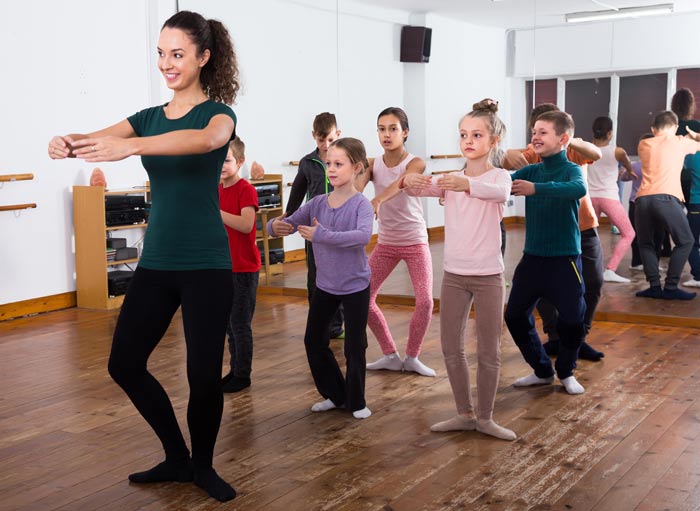
In many studios, boys are heavily outnumbered. Being the only boy (or one of very few) can feel isolating, especially as kids get older and become more socially aware.
Even in a friendly, welcoming class, a boy may feel like he stands out simply because he’s different.
What helps:
Studios don’t always have control over enrollment numbers, but they can:
- Make an effort to recruit and retain multiple boys within similar age groups
- Encourage a team mindset where everyone feels included
- Avoid constantly singling boys out, even in positive ways
Sometimes, just having one or two peers in a similar position can make a huge difference.
Social Pressure Outside the Studio
As boys grow, peer influence becomes stronger. Friends at school – or even extended family – may question or tease them about dancing.
This external pressure can quietly chip away at a boy’s confidence, even if he enjoys class.
What helps:
Studios can:
- Highlight male role models in dance
- Share examples of successful male dancers across different styles
- Reinforce that strength, athleticism, and artistry all belong in dance
Parents also play a key role here by supporting their child’s interests and addressing outside negativity early.
Lack of Representation
If boys never see themselves reflected – in teachers, older students, or choreography – it can be harder to picture a future in dance.
This isn’t always intentional, but it matters.
What helps:
- Bringing in male guest teachers or assistants when possible
- Showcasing male dancers in performances and studio materials
- Offering choreography that includes strong, engaging roles for boys
Representation doesn’t have to be constant to be meaningful – but it does need to exist.
Classes That Don’t Engage Them
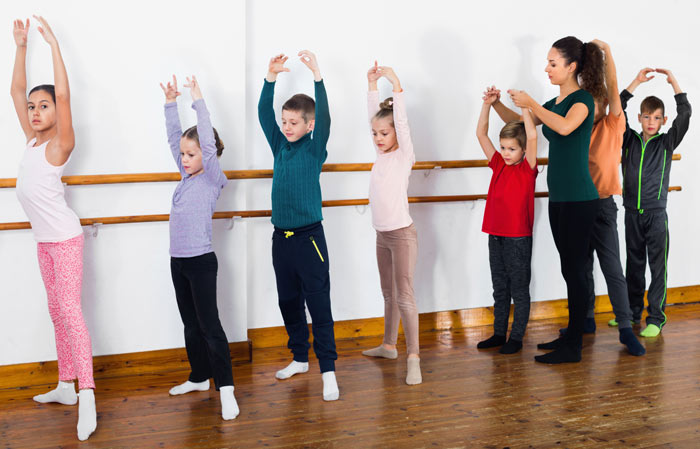
Sometimes boys lose interest simply because they’re not connecting with the class experience.
This isn’t about making dance “for boys,” but rather about recognizing that different students are motivated by different things – energy, challenge, variety, and progress all matter.
What helps:
- Incorporating strength, jumps, turns, and athletic movement
- Keeping classes dynamic and goal-oriented
- Offering styles that may appeal broadly, such as hip-hop, contemporary, or acro
Engagement is key for all dancers – but it can be especially important for retention.
Discomfort With Certain Situations
As boys get older, they may become more self-conscious – whether that’s about attire, physical proximity in class, or simply being in a predominantly female environment.
If these feelings aren’t acknowledged, they can become a reason to step away.
What helps:
- Creating a respectful, professional class culture
- Offering clear guidance around partnering and interactions
- Providing options when possible (for example, attire or changing arrangements)
Often, just knowing their concerns are valid – and manageable – keeps dancers from leaving.

Plateauing or Lack of Progression
Boys who feel like they’re not improving, or who aren’t being challenged, are more likely to lose motivation.
This is especially true if they don’t see a clear path forward.
What helps:
- Setting goals and celebrating progress
- Offering advancement opportunities (teams, featured roles, leadership roles)
- Giving specific, constructive feedback that helps them grow
Progress builds confidence – and confidence supports retention.
What It Comes Down To
Boys don’t usually quit dance for just one reason. It’s often a combination of small factors that build over time – social pressure, lack of connection, feeling out of place, or simply losing motivation.
The good news is that studios have more influence here than they might think.
Building a Studio Where Boys Stay
Studios that successfully retain boys tend to:
- Be intentional about inclusion
- Communicate openly with both dancers and parents
- Provide structure, challenge, and encouragement
- Create an environment where boys feel like they belong, not like they’re visiting
Retention doesn’t happen by accident. It’s built through consistent, thoughtful choices over time.

Encouraging Boys in Dance
Keeping boys in dance isn’t about completely changing your program – it’s about making sure your existing program works for all dancers.
When boys feel supported, challenged, and included, they’re far more likely to stay – and when they stay, it strengthens the entire studio community.
Leave a Reply