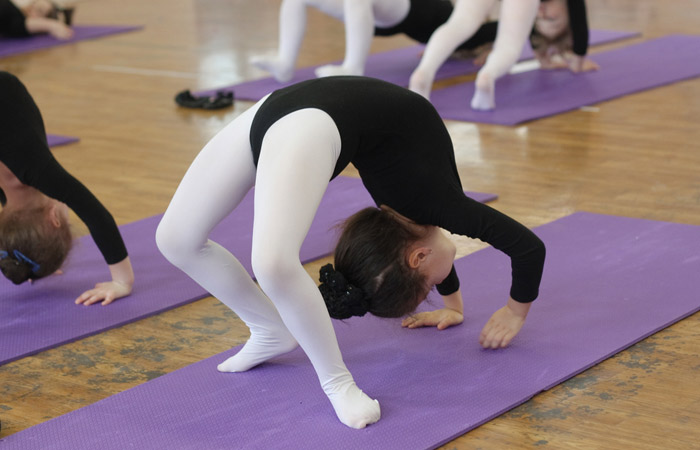
Raising a young dancer comes with both joys and challenges. While dance can be incredibly rewarding, it also demands discipline, physical stamina, and emotional resilience. Encouraging healthy habits early not only supports your child’s growth as a dancer but also helps them develop lifelong wellness skills.
Foster a Balanced Relationship with Food
Proper nutrition is essential for young dancers, who often burn more calories than their peers. Rather than focusing on strict diets or weight, emphasize the importance of balanced meals and snacks. Encourage a variety of fruits, vegetables, whole grains, and lean proteins to fuel energy for classes and rehearsals. Teaching children to listen to their bodies’ hunger cues can prevent unhealthy eating patterns and instill confidence in their choices.
Prioritize Rest & Recovery
Dance is demanding, and rest is just as important as practice. Encourage your child to get enough sleep each night and to take breaks when they feel fatigued. Rest helps muscles recover, prevents injuries, and improves focus during rehearsals. Parents can model healthy sleep habits by maintaining consistent routines and emphasizing the value of downtime as part of a dancer’s training.

Promote Proper Technique & Body Awareness
A crucial aspect of healthy dancing is learning to move safely. Encourage instructors who emphasize proper technique, posture, and alignment. At home, gently reinforce these principles and celebrate your child’s improvements rather than focusing solely on perfection. Developing body awareness early helps prevent injuries and fosters confidence in movement.
Encourage Regular Physical Activity Beyond Dance
While dance provides excellent exercise, encouraging other forms of physical activity can strengthen different muscle groups and promote overall fitness. Activities like swimming, yoga, or simple outdoor play complement dance training and help prevent overuse injuries. Variety in movement also keeps exercise enjoyable and reduces burnout.

Support Emotional Wellbeing
Dance is not just physical – it’s emotional. Young dancers can experience performance anxiety, stress, or self-doubt. Encourage open communication and remind your child that mistakes are part of learning. Celebrate effort and personal growth rather than just results. By fostering a positive mindset, you help them maintain a love for dance while building resilience that extends beyond the studio.
Lead by Example
Children often mirror the habits of their parents. Demonstrating balanced nutrition, consistent exercise, proper rest, and a positive attitude toward challenges sets a powerful example. When healthy habits become part of family life, they’re more likely to stick with your young dancer long-term.
Focusing on these areas will help your child thrive in dance while building a foundation for lifelong health. Encouraging balance, proper technique, and emotional wellbeing ensures that dance remains a joyful and sustainable part of their life.
Leave a Reply